
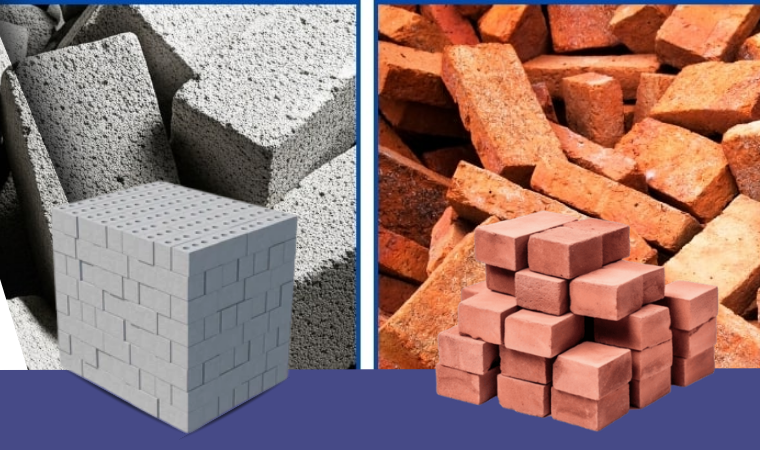
Modern construction projects rely on advanced materials and technologies to ensure strength, durability, and efficiency. Among the essential materials used in structural construction are bucket concrete and back concrete. These materials play an important role in supporting foundations, structural elements, and infrastructure projects.
Understanding the difference between bucket concrete and back concrete can help contractors and builders choose the right material for specific construction needs.
In this guide, we will explore the characteristics, applications, and advantages of bucket concrete and back concrete in modern construction.
What is Bucket Concrete?
Bucket concrete refers to concrete that is transported using a crane or lifting system in specially designed buckets. This method allows concrete to be poured precisely in areas where direct pouring or pumping may not be possible.
Bucket concrete is widely used in large construction projects such as high-rise buildings, bridges, and industrial structures.
Advantages of Bucket Concrete
- Precise Concrete Placement
Bucket concrete allows controlled pouring, which ensures accurate placement of concrete in formwork. - Ideal for High-Rise Construction
In tall structures, cranes can easily lift bucket concrete to the required height. - Reduced Material Wastage
The bucket system helps minimise wastage by controlling the amount of concrete poured. - Efficient Construction Process
Construction teams can transport large quantities of concrete quickly, improving productivity.
Applications of Bucket Concrete
Bucket concrete is commonly used in:
- High-rise building construction
- Infrastructure projects
- Bridge and flyover construction
- Industrial facilities
- Structural columns and beams
Because of its versatility, bucket concrete remains a reliable method for transporting and placing concrete in modern construction.
What is Back Concrete?
Back concrete is used as a supportive filling material behind structural components. It is typically placed behind walls, foundations, or structural elements to provide additional support and stability.
Back concrete plays a crucial role in distributing loads and improving structural performance.
Benefits of Back Concrete
Improved Structural Stability
Back concrete supports structural components and reduces the risk of movement or displacement.
Enhanced Load Distribution
It helps distribute structural loads evenly, improving durability.
Long-Term Durability
Back concrete protects structural elements from environmental stress.
Where Back Concrete is Used
Back concrete is commonly used in:
- Retaining walls
- Foundation support
- Infrastructure projects
- Structural reinforcement
In many construction projects, back concrete is essential for maintaining structural stability and safety.
Role of Construction Chemicals in Concrete Applications
Modern construction increasingly uses construction chemicals to improve the performance of concrete materials.
Construction chemicals enhance the strength, durability, and workability of concrete and mortar.
Common Construction Chemicals Used in Concrete
- Polymer modified mortar
- Micro concrete
- Waterproofing solutions
- Bonding agents
- Repair mortars
These products improve the overall performance of concrete structures.
Polymer Modified Mortar in Structural Repair
Polymer modified mortar is widely used for the repair and strengthening of damaged structures. It contains special polymers that improve bonding strength and flexibility.
Applications of polymer modified mortar include:
- structural repairs
- crack filling
- wall tie hole filling
- surface leveling
Using polymer modified mortar ensures long-lasting structural performance.
Micro Concrete for Structural Strength
Micro concrete is a highly flowable concrete used for repairing and strengthening structural elements.
It is particularly useful in areas where conventional concrete cannot be placed easily.
Micro concrete is commonly used for:
- column jacketing
- foundation repair
- structural reinforcement
Maintaining the correct micro concrete mix ratio ensures optimal strength and durability.
Waterproofing Solutions for Concrete Structures
Water penetration can weaken concrete structures over time. This is why waterproofing solutions are essential in modern construction.
Waterproofing products help protect structures from:
- water leakage
- dampness
- corrosion
Waterproofing systems are commonly used in:
- basements
- terraces
- bathrooms
- foundations
Conclusion
Both bucket concrete and back concrete play an important role in modern construction projects. Bucket concrete provides an efficient way to transport and place concrete, while back concrete ensures structural support and stability.
By combining these materials with advanced construction chemicals, polymer modified mortar, and micro concrete, builders can achieve stronger and more durable structures.
Understanding the role of these materials helps construction professionals improve project efficiency and long-term structural performance.