
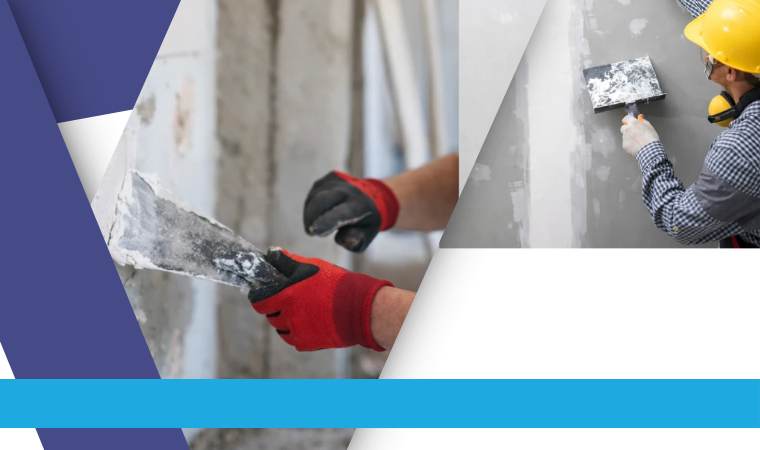
Plastering is one of the most important finishing processes in construction. It provides a smooth surface for painting and improves the overall appearance of walls and ceilings.
Traditionally, plaster was prepared on-site by mixing cement, sand, and water. However, modern construction now prefers ready mix plaster due to its consistent quality and ease of application.
In this article, we compare ready mix plaster and traditional plaster to understand which option is better for modern construction projects.
What is Ready Mix Plaster?
Ready mix plaster is a factory-produced dry mixture of cement, sand, and additives. The mixture only requires water before application.
Because it is manufactured under controlled conditions, ready mix plaster offers consistent quality and performance.
Advantages of Ready Mix Plaster
Consistent Quality
Factory production ensures uniform composition and high quality.
Faster Construction
Ready mix plaster reduces preparation time and speeds up the plastering process.
Reduced Wastage
Since the material is pre-mixed, there is minimal wastage compared to traditional plaster.
Smooth Surface Finish
Ready mix plaster provides a smooth and uniform finish that is ideal for painting.
Traditional Cement Plaster
Traditional plaster is prepared by mixing cement and sand on the construction site. Although it has been widely used for many years, this method often results in inconsistent quality.
Limitations of Traditional Plaster
- inconsistent mixing ratios
- higher labor cost
- uneven surface finish
- increased risk of cracks
These limitations have led many builders to adopt ready mix plaster solutions.
Ready Made Plaster for Modern Buildings
Ready made plaster is becoming increasingly popular in residential and commercial construction projects.
Builders prefer ready made plaster because it simplifies the plastering process and improves overall construction efficiency.
Spray Plaster for Walls
Spray plaster for walls is another modern plastering technique that allows plaster to be applied quickly using spraying equipment.
This method ensures uniform coverage and is ideal for large construction projects.
Ceiling Plaster Ratio
Maintaining the correct ceiling plaster ratio is essential for achieving smooth finishing and long-lasting durability.
Proper plaster ratios help ensure:
- strong bonding
- crack resistance
- smooth finishing
Builders must follow recommended plaster ratios for optimal results.
Water Resistant Plaster for Moisture Protection
Moisture can damage walls and ceilings over time. Using water resistant plaster helps protect structures from dampness and water leakage.
Water resistant plaster is particularly useful in:
- bathrooms
- kitchens
- basements
- exterior walls
Conclusion
Both ready mix plaster and traditional plaster have their place in construction. However, ready mix plaster offers several advantages, such as consistent quality, faster application, and reduced material wastage.
Modern construction projects increasingly rely on ready mix plaster, ready made plaster, spray plaster for walls, and water resistant plaster to achieve better efficiency and durability.
By choosing advanced plastering solutions, builders can ensure high-quality finishing and long-lasting building performance.