
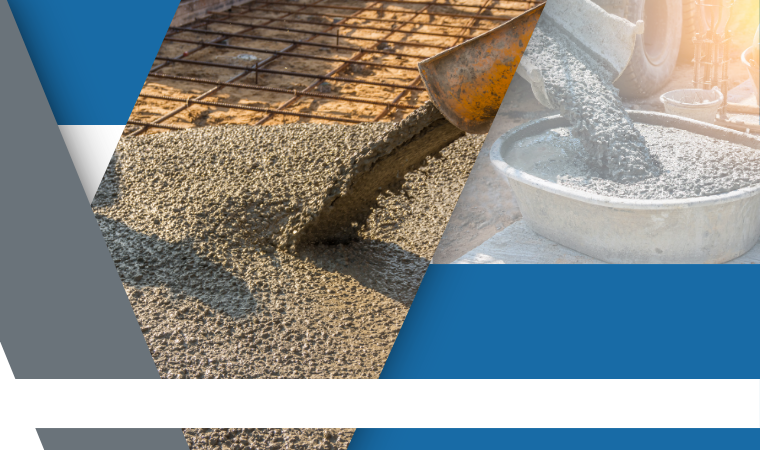
Ready Mix Concrete has transformed modern construction by offering superior strength, durability, and precise quality control compared to traditional on-site mixing. Engineers, contractors, and builders now widely prefer Ready Mix Concrete because it ensures consistent performance, faster construction timelines, and reduced labour dependency. Whether you are working on residential structures, commercial buildings, industrial flooring, or infrastructure projects, Ready Mix Concrete provides the perfect balance of strength, workability, and long-term durability.
This article covers everything you need to know about Ready Mix Concrete, including technical details, benefits, applications, and how specialized materials like Bucket Concrete, Back Concrete, and Dry Concrete Mix improve overall construction efficiency.
What Is Ready Mix Concrete?
Ready Mix Concrete is a precisely formulated, factory-batched concrete mixture delivered to construction sites in a ready-to-use form. It is made using:
- High-quality cement
- Graded aggregates
- Fine sand
- Mineral admixtures
- Chemical admixtures
- Water (proportionally added at the plant or site)
Unlike conventional concrete that is mixed manually on-site, Ready Mix Concrete ensures uniform strength, consistent workability, and improved durability because it is prepared using automated batching and advanced quality control systems.
Ready Mix Concrete is typically delivered using transit mixers, but it can also be supplied using Bucket Concrete systems or pumped directly to construction areas.
Understanding Bucket Concrete
Bucket Concrete is a special method of transporting or placing Ready Mix Concrete using crane buckets or mechanical buckets. This system is frequently used when:
- A site has limited access
- Concrete must be placed on the upper floors
- Pumping is not possible
- High-rise construction requires controlled placement
Bucket Concrete ensures:
- Accurate pouring
- Reduced wastage
- Consistent mix quality
- Better safety on site
Many contractors prefer Bucket Concrete for skyscrapers, bridge decks, industrial buildings, and heavy construction projects.
What Is Back Concrete?
Back Concrete refers to the concrete used for backfilling, gap filling, structural support, and reinforcement behind walls, foundations, or retaining structures. It is an essential component that improves structural stability.
Back Concrete is mainly used for:
- Filling behind retaining walls
- Providing support behind blockwork
- Strengthening the base of foundations
- Adding load-bearing stability
High-quality Ready Mix Concrete ensures better compaction, strong bonding, and long-term resistance to water and soil pressure when used as Back Concrete.
Dry Concrete Mix vs. Ready Mix Concrete
Dry Concrete Mix is a pre-mixed dry blend of cement, sand, and aggregates that requires water at the site. It is ideal for small repairs and manual construction tasks.
However, Ready Mix Concrete is superior for large-scale applications because it offers:
| Feature | Ready Mix Concrete | Dry Concrete Mix |
| Quality Control | Excellent | Good |
| Strength Consistency | Very High | Moderate |
| Usage Scale | Large Projects | Small Repairs |
| Mixing | Factory Controlled | Manual On-site |
| Wastage | Very Low | Medium |
| Productivity | High | Moderate |
| Finish | Smooth | Rough |
Both materials play an important role, but Ready Mix Concrete is the preferred choice for major construction due to its reliability and performance.
Advantages of Ready Mix Concrete
1. Superior Quality & Strength
Ready Mix Concrete is manufactured in controlled conditions using advanced batching plants. This ensures accurate proportions, resulting in high compressive strength, better durability, and increased structural life.
2. Faster Construction
Since the concrete arrives ready to use, projects progress much faster. Pumping and Bucket Concrete options also support quick placement.
3. Cost Efficiency
Although the per-unit price may be higher, Ready Mix Concrete saves money through:
- Reduced labour
- Zero material wastage
- Faster construction speed
- Lower maintenance costs
Overall, this makes Ready Mix Concrete more economical.
4. High Workability
Chemical admixtures ensure superior workability even in extreme temperatures or long transportation distances. This makes it easier to place and level concrete.
5. Environment Friendly
Factory batching reduces dust, noise, and pollution caused by on-site mixing. It also minimizes waste generation.
6. Long-Term Durability
Ready Mix Concrete offers enhanced durability, stronger bonding, and increased resistance to:
- Cracks
- Shrinkage
- Weathering
- Chemicals
- Heavy loads
Applications of Ready Mix Concrete
Ready Mix Concrete is suitable for almost every construction requirement, including:
1. Residential Construction
- Footings
- Beams
- Columns
- Slabs
- Driveways
- Compound walls
2. Commercial Structures
- Malls
- Offices
- Hotels
- Hospitals
- Schools
3. Industrial Construction
- Factory floors
- Warehouses
- Machine foundations
- RCC pavements
4. Infrastructure Projects
- Bridges
- Highways
- Metro stations
- Airport runways
- Water tanks
5. High-Rise Buildings
Delivered using pumps or Bucket Concrete systems for efficient placement.
Types of Ready Mix Concrete
1. Standard Concrete (Normal Strength)
Used for basic RCC work like slabs and beams.
2. High-Performance Concrete
Designed for increased strength, durability, and load resistance.
3. Self-Compacting Concrete
Flows smoothly without vibration — ideal for congested reinforcement.
4. Fibre-Reinforced Concrete
Improves crack resistance and tensile strength.
5. Lightweight Concrete
Used for low-density construction or thermal insulation.
Why Builders Prefer Ready Mix Concrete Over Site-Mix Concrete
| Ready Mix Concrete | Site Mix Concrete |
| Factory-controlled quality | Human error affects quality |
| Faster application | Slow mixing & placing |
| No storage of materials | Requires sand, cement storage |
| Less manpower needed | High labour requirement |
| Minimal wastage | Excessive wastage common |
| Higher strength | Unpredictable strength |
This makes Ready Mix Concrete a more reliable choice for modern construction projects.
How Ready Mix Concrete Is Delivered to Sites
There are three common delivery and placement methods:
1. Transit Mixer
The concrete is delivered in rotating drum trucks that maintain consistency.
2. Concrete Pumps
Ideal for high-rise buildings or large slab casting.
3. Bucket Concrete
Used when pumping is not feasible or when precise placement is needed.
Each method ensures that the concrete retains its workability and strength.
Important Technical Considerations
Slump Value
Determines the workability of concrete.
Compressive Strength
Typically measured in M10, M15, M20, M25, M30, and higher grades.
Setting Time
Controlled with admixtures to ensure proper placement.
Water-Cement Ratio
Lower w/c ratio increases strength and durability.
FAQs About Ready Mix Concrete
-
1. What is the advantage of Ready Mix Concrete?
High strength, consistency, and faster application.
-
2. Can Ready Mix Concrete be used for foundations?
Yes, it is ideal for slabs, footings, and structural elements.
-
3. What is Bucket Concrete used for?
To lift and place concrete in high-rise and difficult-to-access areas.
-
4. What is the difference between Dry Concrete Mix and Ready Mix Concrete?
Dry Concrete Mix requires water on-site; Ready Mix is already prepared.
-
5. Is Ready Mix Concrete cost-effective?
Yes, due to reduced labour, higher strength, and zero wastage.