
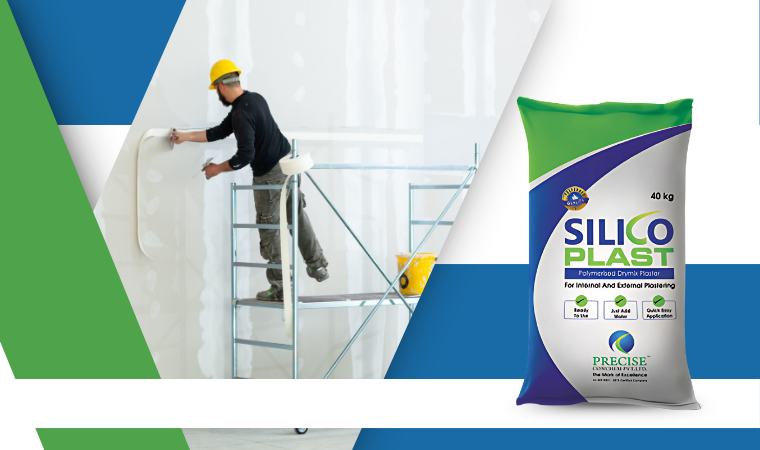
Dry Mix Plaster has become an essential building material in today’s fast-paced construction environment. Engineered for superior strength, workability, and consistency, Dry Mix Plaster eliminates the challenges of site-mixed plaster and ensures long-lasting surface durability. Whether used for internal plastering, exterior wall finishing, or ceiling applications, Dry Mix Plaster delivers unmatched performance due to its precise formulation and high-quality ingredients.
This professional guide explains what Dry Mix Plaster is, its technical benefits, and how specialized solutions like Ready Mix Plaster, Cement-based Plaster, Ceiling Plaster, and Water-resistant Plaster improve construction quality. All keywords are naturally integrated for SEO and technical clarity.
What Is Dry Mix Plaster?
Dry Mix Plaster is a pre-engineered, factory-produced blend of cement, graded sand, polymers, and additives, supplied in a dry form. It requires only clean water at the site to create a high-quality plaster suitable for walls, ceilings, and structural surfaces.
Unlike traditional sand-cement plaster, Dry Mix Plaster ensures:
- Accurate ratios
- Uniform surface finish
- Crack resistance
- Moisture control
- High bonding strength
Because the formulation is controlled in automated batching plants, Ready Made Plaster eliminates inconsistencies that arise from manual mixing.
Key Features of Dry Mix Plaster
Ready to Use
Just add water — no need to sieve sand or measure cement.
High Bonding Strength
Advanced polymer technology ensures long-lasting adhesion.
Smooth & Consistent Finish
The fine aggregates and controlled composition result in a smooth texture.
Reduced Cracks
Shrinkage-control additives prevent wall and ceiling cracks.
Faster Application
Increases productivity across large-scale projects.
Types of Plaster Covered in This Blog
This blog includes your key SEO terms, explained technically and professionally:
- Dry Mix Plaster
- Ceiling Plaster Ratio
- Ready-Made Plaster
- Ready Mix Plaster
- Cement-based Plaster
- Water-resistant Plaster
- High-quality External Plaster for Walls
- Readymix Plaster Manufacturers
- Ceiling Plaster for Construction Use
Ceiling Plaster for Construction Use
Ceilings require lightweight, smooth, and highly bondable plaster. Ceiling Plaster for Construction Use ensures excellent adhesion and uniformity, preventing sagging or cracks.
Ideal Ceiling Plaster Ratio
A typical Ceiling Plaster Ratio (in Dry Mix Plaster form) is precisely pre-controlled by the manufacturer, ensuring:
- Balanced strength
- Enhanced durability
- Smooth finish
- Controlled setting time
Using Dry Mix Plaster eliminates guessing the correct Ceiling Plaster Ratio, saving time and reducing errors.
Ready Made Plaster – Faster, Cleaner, Superior
Ready Made Plaster is becoming the preferred solution for contractors who want:
- Fast application
- Reduced wastage
- Zero on-site mixing errors
Because the material is ready for immediate use, productivity increases significantly in both residential and commercial projects.
Ready Mix Plaster – Perfect for Internal & External Walls
Ready Mix Plaster is widely used for:
- Internal wall plastering
- External wall plastering
- Cement-based finishes
- Renovation projects
- AAC block plastering
This high-performance plaster enhances surface strength and finishing speed.
Cement-based Plaster – Durable & Reliable
Cement-based Plaster is a specialized type of Dry Mix Plaster formulated with high-grade cement, silica sand, and additives. It is ideal for:
- Structural walls
- Load-bearing surfaces
- Industrial constructions
- High-rise buildings
Its superior compressive strength ensures long-term durability.
Water-resistant Plaster – Ideal for Damp-prone Areas
For bathrooms, exteriors, and wet zones, Water-resistant Plaster provides:
- Reduced water absorption
- Protection against dampness
- Better bonding on concrete surfaces
- Superior weather resistance
This makes it essential for external applications and moisture-exposed surfaces.
High-Quality External Plaster for Walls
Dry Mix Plaster performs exceptionally well as High-quality External Plaster for Walls, offering:
- UV resistance
- Crack-proof formulation
- Dense & durable finish
- Weather protection
- High bonding strength
Its anti-shrinkage additives help maintain stability even under extreme weather conditions.
Why Builders Choose Readymix Plaster Manufacturers
Selecting the right Readymix Plaster Manufacturers ensures:
- Consistent product quality
- Certified ingredients
- Technical support
- Reliable supply
- Tested performance standards
Experienced manufacturers follow strict quality protocols, ensuring durability and performance in every batch.
Technical Advantages of Dry Mix Plaster
1. Consistent Quality
Factory-controlled production eliminates quality variation in every application.
2. High Adhesion Strength
Enhanced polymers ensure excellent bonding with concrete, AAC, and brickwork.
3. Reduced Shrinkage
Shrinkage-reducing additives minimize the formation of cracks.
4. Improved Workability
Smooth application, easier troweling, and better surface finish.
5. Time & Labour Savings
No sieving or mixing means faster operation and lower labour cost.
6. Better Surface Hardness
Ensures stronger and more durable wall surfaces.
7. Longer Life Cycle
Reduced maintenance requirements make it ideal for long-term projects.
Applications of Dry Mix Plaster
Dry Mix Plaster is suitable for:
Internal Wall Plastering
Smooth and strong finish for walls and partitions.
External Wall Plastering
High-resistant, weather-durable external finish.
Ceiling Plaster
Ensures crack-free and lightweight applications.
AAC Block Plastering
Provides perfect bonding to lightweight blocks.
Industrial and Commercial Projects
Suitable for high-performance structural plastering.
How to Apply Dry Mix Plaster (Technical Procedure)
1. Surface Preparation
- Remove dust, loose particles, and dirt
- Wet the wall surface before application
2. Mixing
- Add Dry Mix Plaster to clean water
- Mix mechanically for uniform texture
3. Application
- Apply in a 10–15 mm thickness
- Level with straight edge
- Finish with a sponge or steel trowel
4. Curing
Light curing may be required depending on temperature and product formulation.
Dry Mix Concrete vs. Traditional Concrete
| Feature | Dry Mix Plaster | Traditional Plaster |
| Quality | High | Variable |
| Mixing | Ready | Manual |
| Consistency | Excellent | Poor |
| Strength | High | Medium |
| Labour Need | Low | High |
| Cracks | Reduced | Common |
| Finish | Smooth | Rough |
The comparison clearly shows why Dry Mix Plaster is replacing traditional plaster in modern construction.
Frequently Asked Questions (FAQs)
-
1. What is the best plaster for ceilings?
Ceiling Plaster or Ready Mix Plaster is specifically designed for overhead applications.
-
2. Is Cement-based Plaster better than traditional plaster?
Yes, it provides better strength, adhesion, and durability.
-
3. Can Dry Mix Plaster be used externally?
Yes, High-quality External Plaster for Walls is ideal for outdoor surfaces.
-
4. How is the Ceiling Plaster Ratio maintained?
It is controlled at the manufacturing level to ensure balanced performance.
-
5. Is Water-resistant Plaster necessary for bathrooms?
Yes, it prevents dampness, peeling, and water seepage.