
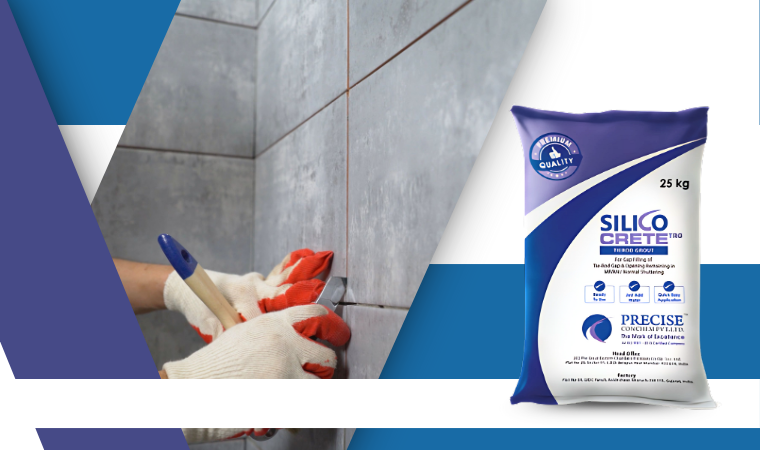
In modern construction, Tie Rod Grout plays an important role in sealing, strengthening, and protecting formwork tie rod holes. After the removal of formwork, these tie rod openings can become a serious leakage point if not treated properly. That’s why contractors prefer using Non-Shrink Tie Rod Grout for a strong, waterproof, and long-lasting repair.
Whether it’s high-rise construction, retaining walls, basements, or water tanks, Tie Rod Grout ensures both structural safety and perfect waterproofing.
What Is Tie Rod Grout?
Tie Rod Grout is a specially designed non-shrink, high-strength repair grout used to fill and seal tie rod holes after formwork removal.
It forms a solid, dense, and waterproof plug that prevents:
✔ Water leakage
✔ Dampness
✔ Structural weakening
✔ Honeycombing
Tie Rod Grout is widely used in RCC walls, basements, lift pits, water tanks, and industrial structures.
Why Tie Rod Grout Is Required
Tie rod holes left unsealed can lead to:
- Continuous water seepage
- Rusting of reinforcement
- Reduced wall life
- Damp patches on surface
- Weakening of structural strength
To eliminate these issues permanently, contractors use Non-Shrink Tie Rod Grout which ensures complete, leak-proof sealing of every tie rod opening.
Advantages of Tie Rod Grout Over Normal Grout
1. Zero Shrinkage
Normal grouts shrink as they dry, creating gaps.
Tie Rod Grout is non-shrink, ensuring complete, crack-free filling.
2. High Compressive Strength
It develops strong early and final strength—ideal for structural-grade sealing.
3. Superior Waterproofing
Its dense microstructure blocks water penetration, making it perfect for:
- Basements
- Tanks
- Retaining walls
- Lift pits
4. Easy to Apply
Just mix with water and apply. No complicated procedures.
5. Void-Free Sealing
Its smooth flow ensures complete filling of deep tie rod pockets.
Waterproofing Role of Tie Rod Grout
Tie rod holes are the number one source of leakages in basement and tank structures.
Tie Rod Grout prevents this by:
- Creating a waterproof barrier
- Blocking seepage from both inside & outside
- Preventing cracks and capillary movement of water
- Enhancing long-term durability of the RCC structure
This makes Tie Rod Grout an essential part of any waterproofing system.
Step-by-Step Application of Tie Rod Grout
Step 1: Clean the Tie Rod Hole
Remove dust, loose particles, laitance, and oil using a brush or air blower.
Step 2: Pre-Wet the Surface
Slightly dampen the hole to avoid rapid water absorption.
Step 3: Mix the Grout
Add the powder to clean water and mix to a smooth, lump-free consistency.
Step 4: Fill the Hole
Use a putty knife, trowel, or grout gun to pack the material firmly inside.
Step 5: Finish & Cure
Finish the surface neatly and allow it to cure for best strength.
Conclusion
Tie Rod Grout is the most reliable solution for sealing tie rod holes, preventing water leakage, and improving RCC durability. With its non-shrink properties, high strength, and waterproof performance, it stands far ahead of regular grout materials.
For formwork repairs, waterproofing systems, and long-lasting structural protection—Tie Rod Grout is the contractor’s trusted choice.